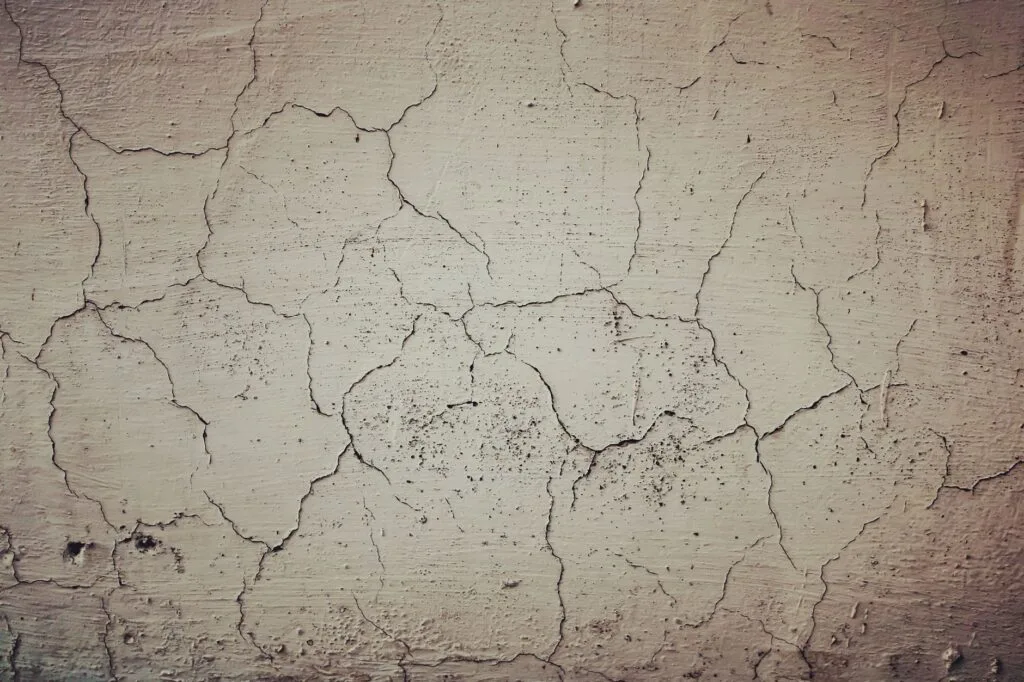
Concrete repair in Columbus, Ohio is mostly a diagnosis job. A crack is a symptom. The cause is usually below the surface: settled soil, water that froze and expanded, or a root working under an edge. Matching the fix to the cause is the whole game, because a patch over a base problem fails on schedule.
We repair, resurface, and replace concrete across Central Ohio: driveways, sidewalks, patios, steps, and garage floors.
Why concrete cracks
Concrete doesn't crack for no reason, and the reason decides the repair.
- Settlement. Fill that was never compacted, or a base washed out by downspouts, lets a slab sink until it snaps. The crack usually comes with a low spot.
- Freeze-thaw. Water expands about 9% when it freezes. Central Ohio cycles above and below freezing dozens of times each winter, and every cycle works on any water sitting in or under the slab.
- Tree roots. Roots lift sidewalk panels and driveway edges from below. Sometimes the root can be cut; sometimes the panel has to come out.
- Shrinkage. All concrete shrinks slightly as it cures. Control joints are there to steer that cracking into straight lines. When joints were cut too late or too shallow, the cracks wander instead.
Repair, resurface, or replace?
Not every cracked slab needs to come out. The call comes down to what the base is doing.
Crack repair, meaning routing and sealing or patching, makes sense when the damage is isolated and the slab still sits flat. Resurfacing covers a slab that looks bad all over but is structurally sound: surface wear, shallow spalling, discoloration. Replacement is the answer when cracks are widespread and moving, when panels have settled out of plane, or when the base underneath has failed.
The honest test: if the slab is flat and solid underfoot, there's usually something worth saving. If sections rock or sit at different heights, the problem is under the concrete, and surface work won't hold.
The same logic runs a size up for whole surfaces. A concrete driveway with one settled panel can often be partially replaced; one failing across its whole area is a rebuild. Raised sidewalk and walkway panels are their own case, since a lifted edge is a trip hazard whether or not the concrete itself is sound.
Spalling and deicing salt
Spalling is the surface flaking apart in thin layers until the aggregate shows. Around here the usual driver is deicing salt. Salt doesn't eat concrete directly; it keeps water liquid at lower temperatures, pulls moisture into the surface, and multiplies the freeze-thaw cycles the top layer goes through.
New concrete is most vulnerable in its first winter, which is why the standard advice is no salt at all in year one and a breathable sealer once the concrete has cured. Spalling doesn't stop on its own. Caught shallow, it's a resurfacing candidate. Left going, it becomes a replacement.
What resurfacing can and can't fix
A resurfacing overlay is a thin layer of polymer-modified concrete bonded over the old surface. Over sound concrete it reads as a brand-new slab for well under the cost of replacement.
It has hard limits. An overlay can't fix a moving crack; the crack telegraphs through the new surface, often within a season. It can't level a settled slab. And it needs solid concrete to bond to, so a surface crumbling from freeze-thaw damage won't carry it. Resurfacing dresses up a slab that's structurally fine. It isn't a structural repair.